
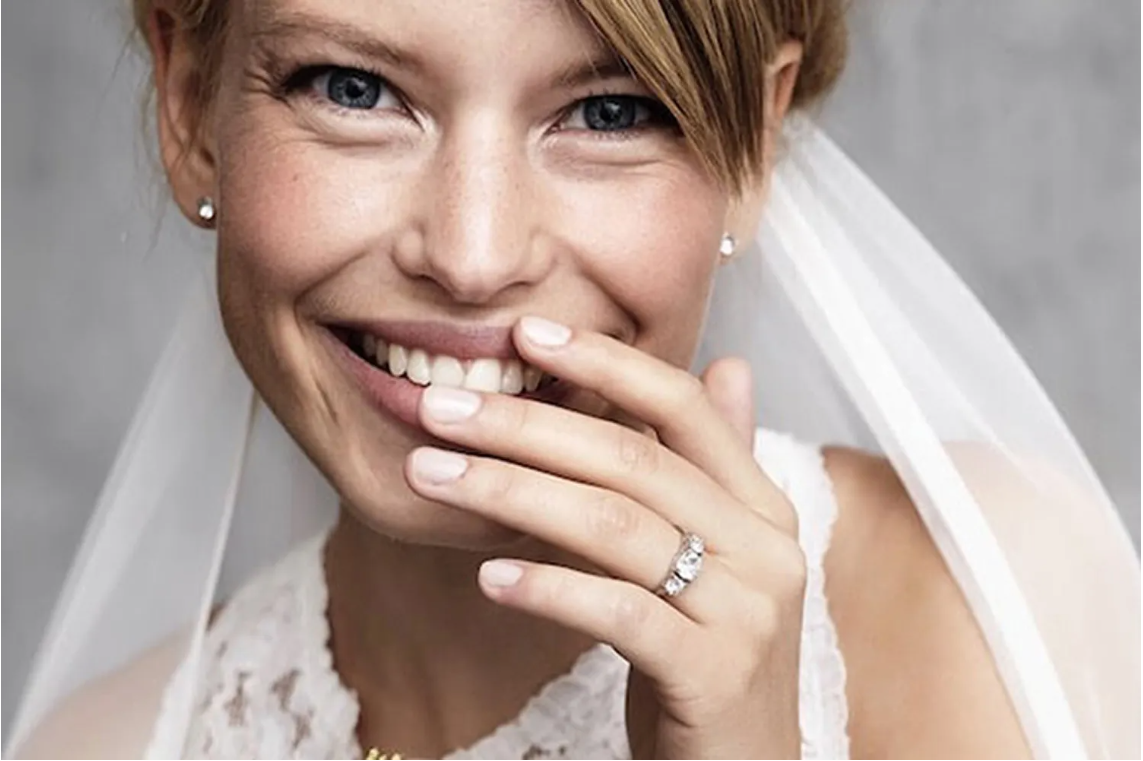
Fine accessories have always held a special place in personal style, but today their significance is evolving in a powerful way. Consumers are no longer interested in pieces that serve as mere decoration. Instead, they seek items that reflect identity, emotion, and purpose. This shift toward meaningful adornment is reshaping how brands create and present their collections. The concept is particularly evident in the growing popularity of modern, ethically driven designers such as lily arkwright, whose work is often associated with thoughtful craftsmanship and deeper personal value. As people prioritize self-expression, fine accessories become more than luxury objects; they become symbols of connection, memory, and self-understanding.
The desire for meaning in personal items reflects a broader cultural movement. Fast fashion and disposable trends are losing appeal as individuals increasingly invest in pieces that hold sentimental or long-term significance. Today’s buyers want to know the story behind what they wear. They value how materials are sourced, what values a brand supports, and how an accessory aligns with their own principles. When someone chooses a ring, necklace, or watch that resonates with their personal narrative, it becomes more than an accessory; it becomes a form of storytelling they carry everywhere.
Another key factor shaping this shift is the rise of customization. Technology has made it easier for people to design or personalize fine accessories to suit their unique tastes. Engravings, birthstones, symbolic motifs, and bespoke design features allow individuals to create pieces that are deeply their own. Custom accessories are no longer reserved for special occasions; they have become an everyday expression of individuality. This trend highlights a growing appreciation for craftsmanship and intentional design over mass-produced items.
Ethical and sustainable practices also play a significant role. Modern consumers seek transparency and responsibility from the brands they support. Factors such as sustainable materials, responsible sourcing, and fair production contribute to the emotional value of a piece. Knowing that an accessory aligns with one’s ethical beliefs amplifies its meaning and increases its personal worth. This is especially true in industries like fine jewelry, where traditionally opaque supply chains are being replaced by clarity and accountability.
The emotional connection people feel toward meaningful accessories is powerful and enduring. These items often mark important milestones: engagements, graduations, family traditions, or personal achievements. Because they reflect both inner identity and life experiences, they become heirlooms in the making, designed to accompany individuals through different chapters of their lives. Even when styles evolve, accessories anchored in sentiment remain timeless.
Looking ahead, the future of fine accessories will be driven by authentic emotional resonance. Brands that focus on intentional design, personal relevance, and ethical responsibility will naturally attract a more conscientious and expressive audience. As consumers continue to seek deeper connections with the items they choose to wear, the industry will move further away from disposable trends and closer toward meaningful artistry.
Personal meaning is no longer a niche preference; it is shaping the core of how fine accessories are designed, purchased, and appreciated. When people select pieces that truly reflect who they are, those accessories become lasting symbols of identity, emotion, and purpose.