
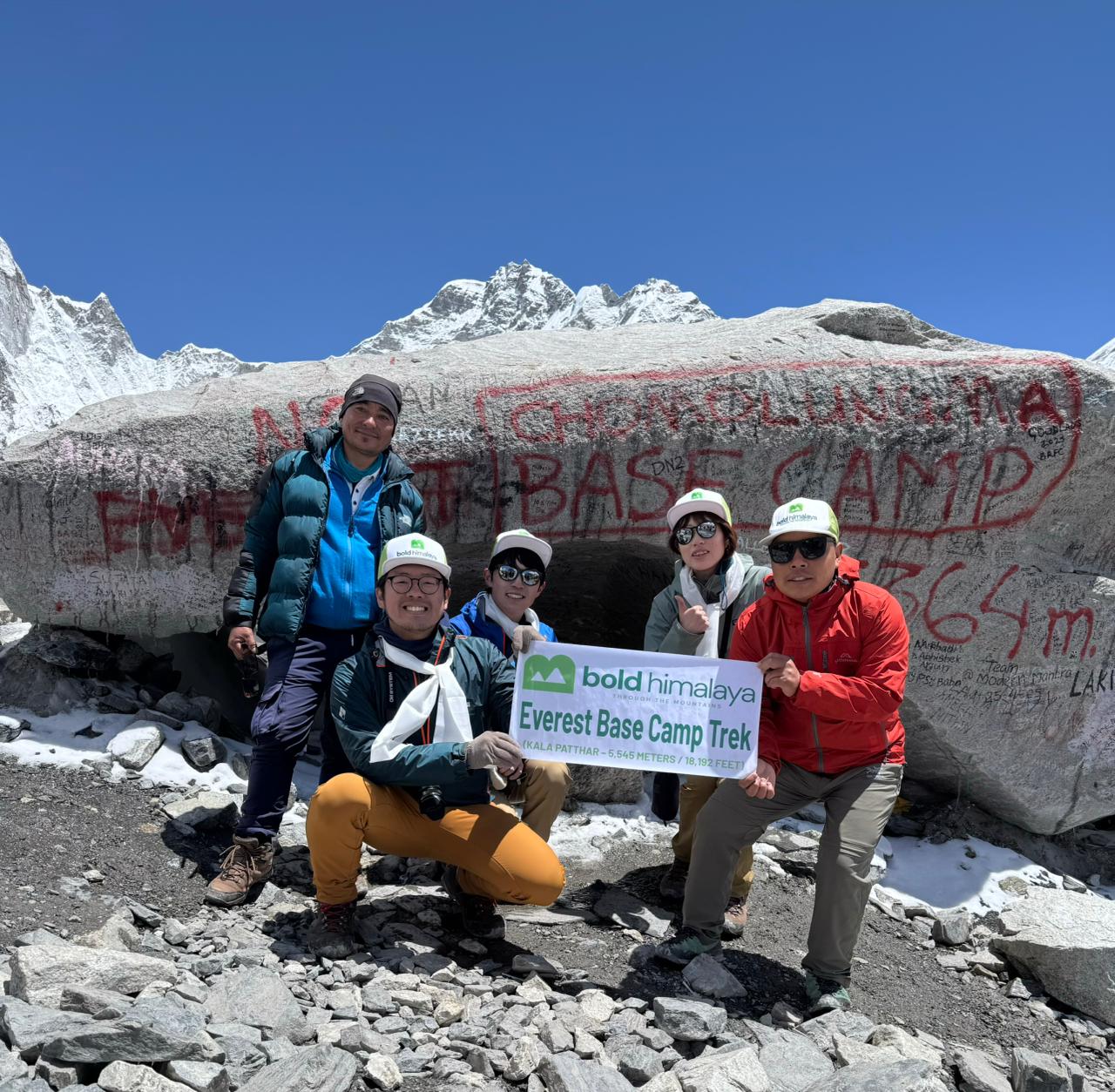
Not only the beautiful mountains of this trekking route but also quaint villages marked by rich culture, traditions, and lifestyle make it one among the famous trekking routes in the Himalayas. Going into the valleys—away from mountain landscapes, out into informal Sherpa civilizations—navigating breathless surroundings. Each of the settlements along the way to Everest Base Camp has its own character, tale, and significance. Not only do these villages provide a glimpse of your Sherpa culture, but also an off-the-beaten-path experience in the stunning Himalayan countryside. Contains the staples, ancient towns, and foremost acclimatization sites, a lot of the time due to these areas.
Related Articles: Lukla, The Starting Point Of Your Everest Adventure
Most Everest Base Camp Trek itineraries begin in Lukla—the gateway to the Everest Region—so you will find plenty of those already written. It is the home of the world-famous mountain airstrip—in the Solu Khumbu district—and a thriving community of fellow trekkers and great views. Amazing small place that is a junction point for the travelers who meet here for their first needed stop to enter the Himalayas. If most of the trekkers only stop at Lukla, you will be able to live in the Himalayas, living where a genuine tradition of life goes on in remote Khumbu. You train to return back to Lukla, where altitude begins, and dream of incredible sceneries and beautiful villages during the journey.
Phakding: The Trail’s Village
Phakding is the second village you will come to after entering from Lukla if you are undertaking the epic Everest Base Camp Trek. Phakding is a laid-back village on the crest of the Dudh Koshi River, making it an ideal way to ease family members into life in foothill villages around the Himalayas. There are historic stone buildings, a couple of teahouses, and magnificent views that open over green ridges and peaks rising in the air like jagged shark teeth.
Phakding also serves as the first overnight stop on the EBC Trek route, which is crucial to enable gradual acclimatization to different environmental conditions. One of the best places for some quiet ambiance and even better views, where both become delightful memories during their trek to the Everest region on high-altitude trekking.
Hub of the Everest region—Namche Bazaar
Namche Bazaar is absolutely one of the most famous and coolest towns of the Everest Base Camp Trek. Also a gateway to Everest, this flourishing mountain town acts as the main commerce hub of the Khumbu region. Namche, perched between mountains, is a lovely fusion of local Sherpa tradition and tourist amenities. For most trekkers it’s where they take the acclimatization day. For me, Namche is an absolute highlight of the full EBC trek routes; in addition to some of the most spectacular mountain scenery you’ll see in the entire region, one can also find culturally interesting stuff going on.
Tengboche: The Sacred Heart of the Himalayas
One of the most culturally significant villages along the Everest Base Camp Trek route is located on a hillside. This village is famous for the well-known Tengboche Monastery, which is considered to be one of the most important Buddhist monasteries in the whole Everest Region. More than anything, it gives you a very holy vibe, being in the beautiful presence of Ama Dablam and Everest—not something to be missed out on at all.
This is the trail used by most trekkers: here, you will encounter traditional Buddhist practices intertwined with Sherpa spiritual beliefs. Nestled deep within the Khumbu region, where the Everest Trek showcases stunning natural beauty, and an important Sikh landmark that lies at the eponymous summit is Tengboche. It also connects somewhat with the spiritual side of trekking in Himalayan countries, where it’s time your roots would bustle about here as well.
THE ONE: DINGBOCHE | MOUNTAIN VILLAGE
Dingboche – Another major acclimatization stop on the Everest Base Camp trail and a village we are familiar with. Out of Monjo, the village itself is a little higher up, pretty, with beautiful views of the peaks rising around it but also somewhat of a pit stop from which to go to Everest Base Camp. Many arrived with a life spent living amongst the Himalayan terraced and drystone-walled fields in mountain scenery. Most trekkers spend one or two nights here to acclimatize.
Dingboche: a true high-altitude atmosphere. It is here that the trekkers arrive to a far more rugged landscape surrounded by ever-present glaciers and peaks on each side of the village, all bordered by rocky trails. If this route is followed, Lobuche will likely be a stopover before the final leg to Everest Base Camp. In the end, it is a village that still symbolizes other generations; it is the infiltration of lowland tourists into ticklish modules for high-altitude trekking.
Lobuche: The Last Point Before the Everest Base Camp
Lobuche—the second to last hub before you set out for Everest Base Camp. It is an important stop for all trekkers heading up. This unassuming mountain village brings sweeping panoramic views high above the Khumbu Glacier and a true sense of altitude! The ground is normally hilly here; glaciers, steep and frightful paths, and mountain ridges exist as they go into the deeper piece of this territory. Lobuche-typically an overnight stop before the push to Everest Base Camp. The duration of the stay often goes as short, however; it helps to encumber the alluring and ecstatic spirit that comes accompanying jubilant adventurers whenever they reach closer towards their Himalayan end.
Gorak Shep, Himalaya’s end. Last Few Steps To Get To Everest Base Camp
Not only is Gorak Shep the highest elevation on the “standard” Everest Base Camp Trek route, but it is also located just before your destination. This tiny town located beside the Everest Base Camp and Kala Patthar offers stunning sights of adjacent Himalayan summits. Most trekkers will have a halt for one previous night before they train on to Everest Base Camp or ascend Kala Patthar to catch the dawn. The place itself is remote, and you are at a high altitude, so the conditions here are still basic compared to lower villages. That being said, it is still one of the coolest spots to stop along the Everest Trek while popping off from it.
food—the traditions in a highland village
The little villages, blown in across the mountains for trekkers on the Everest Base Camp Trek, are more than mere places to rest your weary head and eat your hot food—they are portals into Sherpa culture, glimpses of life in these harshest of lands. With such deep-rooted Buddhist influences radiating from monasteries that are still homes to many, the culture is one of friendliness and hospitality.
Traditional architecture welcomes your eyes, all while the age-old methods of agriculture link you a thousand degrees closer to the earth. Since they say travelling in these villages is the actual feel of the real Himalayas. This is what makes this pocket of the Everest region an authentic experience and brings you one of the world’s top trekking expeditions.
Final Conclusion
A Neat Comparison Of Villages During The Everest Base Camp Trek To Make Your Journey A True-High Himalayan Experience This contrasts the buzz of Namche Bazaar to the meditative calm experienced at Tengboche and Gorak Shep 4,910 (16,104 feet) together with dynamic scenery within each of these settlements. Not just a glimpse of the Sherpa way of life and picture-perfect scenery, but they also offer nuggets of information and stories from your guide. Trekking Preparation — Respecting Local Communities along Everest Base Camp where you get enjoy not only the breathtaking beauty of your trip but also some great stories and journey through this lovely Nepal Trek