
Introduction
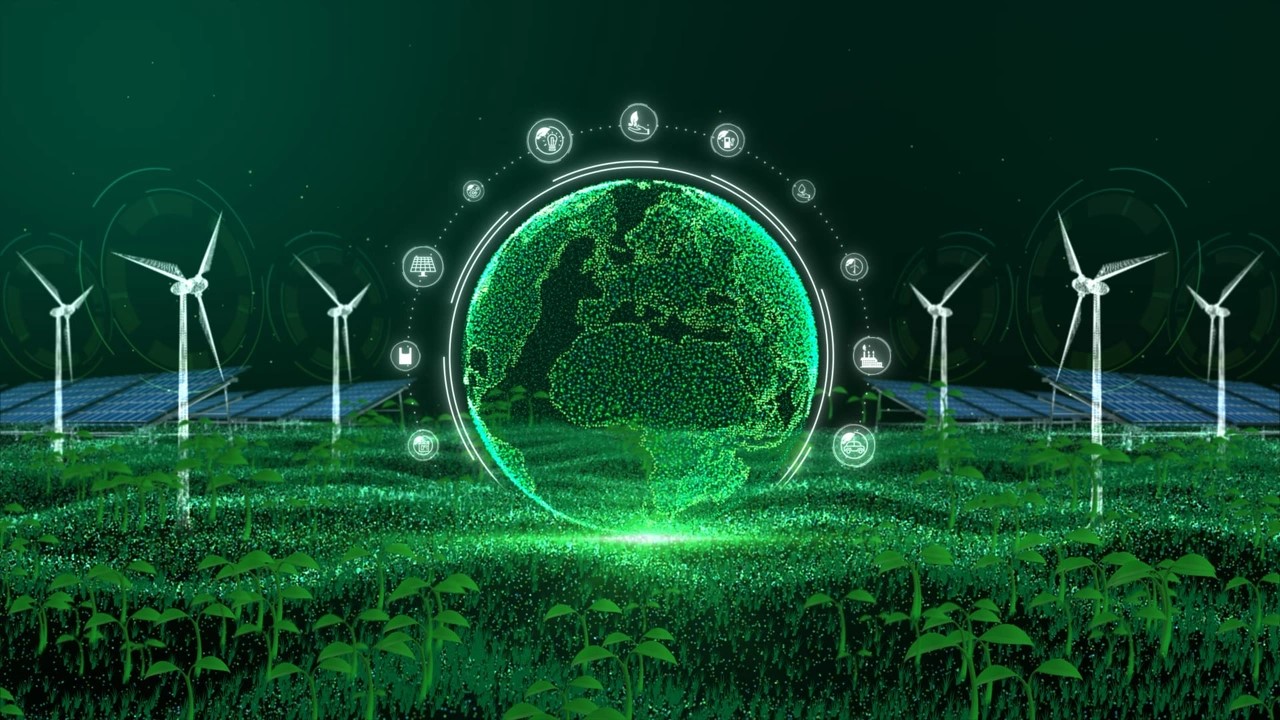
Sustainable technology is using new ideas and methods that don’t harm the environment as much while still meeting people’s needs. employing resources sensibly, manufacturing products in ways that are healthy for the environment, and employing energy sources that can be used again are all part of it. As issues like climate change and resource depletion get worse, sustainable technology has become highly crucial for helping the economy grow without hurting the planet. These technologies, such as solar panels and materials that break down naturally, are aimed to minimize carbon footprints, maintain biodiversity, and promote circular economies. To accomplish net-zero emissions by 2050, as agreed upon in international accords like the Paris Accord, more and more governments, businesses, and people are using them. The oil crisis of the 1970s made people want to find other ways to get energy, which led to better wind and solar power. This is how technology that lasts has come to be. Smart cities use eco-friendly technology to get the most out of energy and deal with rubbish. This is possible because of advances in AI and the Internet of Things. But lawmakers and inventors need to work together to fix problems like high starting prices and limited technology so that solutions can function all across the world.
In short, sustainable technology finds a way to move forward while also conserving the world.
Key Parts of Green Tech
This includes renewable energy sources like solar, wind, hydro, and geothermal that are better for the environment than fossil fuels. For instance, solar photovoltaic systems have become more affordable in poorer communities because their prices have plummeted by more than 85% since 2010. Wind turbines, whether they are on land or in the ocean, harness the wind to create electricity. New designs have features that are helpful for birds, which makes them better for the environment. Hydroelectric power is already being used, but pumped storage is making it better to fix the difficulties with renewable energy that isn’t always available. Geothermal energy works best in volcanic locations because it uses the Earth’s heat to create power all the time. Sustainable technology includes more than just power. It also uses eco-friendly building elements like recycled steel and bamboo, which are good for the environment because they make constructing less damaging. Electric vehicles (EVs) and better batteries are changing how people travel around. This is good for the environment because the transportation sector is responsible for about 25% of worldwide CO2 emissions. Nanotechnology filters and other water purification technologies help sure that water is used wisely in places that don’t get much rain. The purpose of all of these areas is to separate economic progress from environmental degradation. This will make people more able to deal with bad weather.
In a simple way, it talks about ways to get energy, materials, water, and transportation.
Advantages and Disadvantages
There are several benefits to using sustainable technology, such as saving money and conserving the environment. It helps the environment by lowering the amount of greenhouse gases that are released. For example, using solar energy might avert billions of tons of CO2 from being released into the air every year. It also makes jobs. Over 12 million people worked in the renewable energy business in 2023, and that number is likely to grow as the world becomes more eco-friendly. It helps those in locations that don’t have enough energy receive it more easily, which lessens inequality. Cleaner air is better for your health since it reduces respiratory problems caused by pollution. Sustainable technology also fosters new ideas, which leads to increased research and development in fields like bioengineering to manufacture plant-based plastics that break down naturally. By stopping mining and drilling from destroying habitats, it helps biodiversity all across the world. But to figure out what happens, we need things like life-cycle assessments to make sure that technologies don’t just relocate issues to other regions, like mining rare earths for batteries. Sustainable technology has several excellent effects that are needed to accomplish the UN’s Sustainable Development Goals.
It fundamentally helps the economy, the environment, and society.
Problems and Trends for the Future
Even while things are getting better, sustainable technology still has issues, like being too expensive and not being able to grow. People in low-income countries can’t afford new technology since they cost a lot up front. This is why subsidies and aid from other countries are so crucial. Technological gaps, including the necessity for energy storage for renewables that only work part of the time, mean that battery technology needs to improve, such as with solid-state batteries. It is tougher to deploy worldwide because of differences in regulations between countries, and geopolitical conflicts make it harder to procure materials because of vulnerabilities in the supply chain. To be ethical, you need to have rigorous recycling rules for things like e-waste from obsolete solar panels. In the future, AI-driven optimization will become more common. This means that machine learning will be able to predict how much energy smarter grids would need. Heavy businesses are starting to adopt hydrogen fuel cells, and they might add carbon capture technology to units that are already there. Biotechnology makes it possible to farm for a long time by making crops that can tolerate droughts. Experts suggest that by 2030, there will be a lot more promises to reach net-zero. This will drive up innovative concepts like ocean energy and vertical farming. We need to solve these difficulties through education and investment if we want to make sustainable technologies more mainstream.
In summary, overcoming problems will lead to new opportunities.
Conclusion
Sustainable technology is a key technique to make sure that people can make development while also protecting the environment so that future generations can live on a healthy planet. Some of the most important things are: putting renewable energy first to fight climate change; using circular economy ideas to cut down on waste; encouraging countries to work together to make sure everyone has fair access; investing in research and development to come up with new ideas; and teaching people in communities how to use new technologies. Civilizations can grow stronger and richer without destroying the environment by accepting these.